- home
- Unternehmen
- TREKU


TREKU
Wer sind wir?
Der Ursprung von Muebles Treku eliegt in einer Tischlerwerkstatt, die 1947 in Zarautz gegründet wurde, einem herrlichen Küstenstädtchen, das auf eine lange Tradition der Kunstschreinerei und Tischlerei zurückblicken kann.
Ursprünglich trug das Unternehmen den Namen seines Gründers, Jesus Aldabaldetrecu, der sein Handwerk mit Unternehmergeist verband. In kurzer Zeit machte sich die Werkstatt mit der Herstellung klassischer Schlafzimmer erstklassiger Qualität einen Namen in der Region. Der Industrialisierungsprozess der Werkstatt wird eingeleitet und von der zweiten Generation der Familie abgeschlossen.
Tradition und moderne
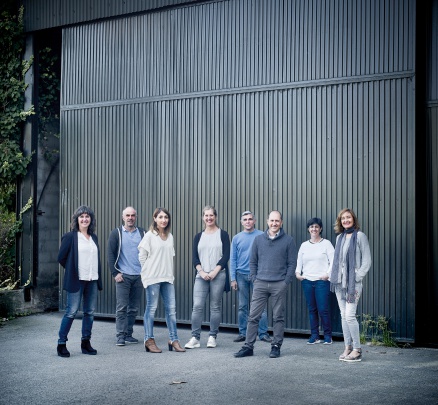
Der Name der Marke Treku ist aus der Abkürzung des baskischen Nachnamens Aldabaldetreku entstanden. Treku ist ein Familienbetrieb, der mittlerweile in der dritten Generation geführt wird.
Die Leidenschaft für das Tischlerhandwerk wurde von Generation zu Generation vererbt. In den über 50 Jahren seiner Geschichte hat der Betrieb mehrere Wirtschaftskrisen und Naturkatastrophen wie die Überschwemmungen der Jahre 1953 und 1983 überstanden. Es überwiegen jedoch die schönen Erinnerungen an das gute Betriebsklima, die Anerkennung durch treue Kunden und die Freude an der Eroberung neuer Märkte.
Als der Handswerkstradition verbundener Familienbetrieb hat es Treku stets verstanden, das Wissen vorheriger Generationen erfolgreich mit moderner Technik und zeitgenössischem Stil zu verbinden. Treku setzt dabei auch auf Kontakte ins Ausland, um von den Kulturen anderer Länder und Kontinente zu lernen.
Unsere Werte
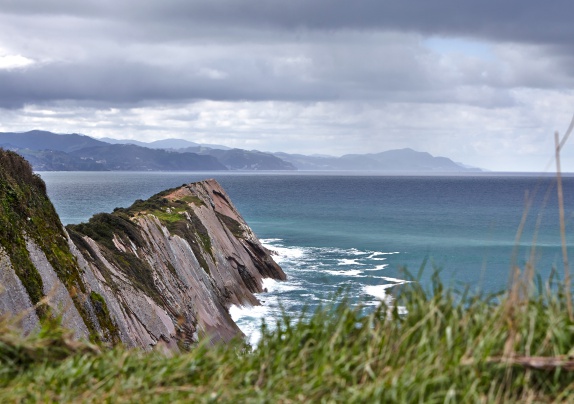
In 1947, a local from Zarautz, a small coastal town in the Basque Country, opened his own carpentry workshop. His name was Jesús Aldabaldetrecu, he was 36 years old and had been working in the field since he was a boy. Jesús was just another link to a woodworking tradition which dated back more than five hundred years in this neck of the woods in the province of Gipuzkoa. While most of the coastal town of the XVI century were busy fishing at sea, the people of Zarautz were becoming specialists in the construction of small fishing boats and traineras or rowing boats - speedy long boats which were fundamental in whale hunting. The town achieved worldwide fame for its craftsmanship. The profound economic transformations occurring in Europe in the mid-XIX century brought with them a decline in traditional riverside shipyards.
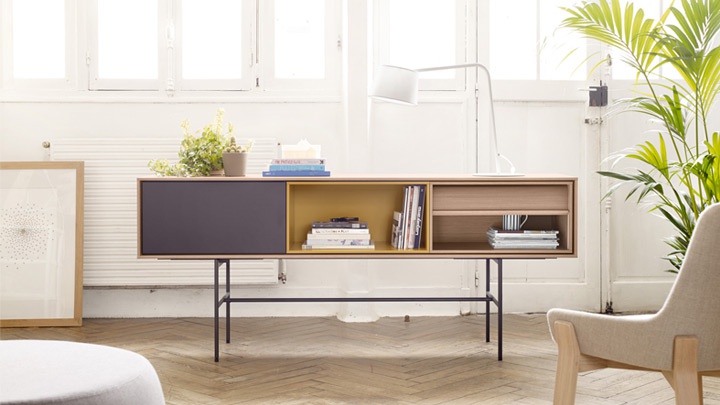
Crisis loomed on the horizon. A door which had been open for centuries started to close, but various windows were simultaneously flung open. One of these windows was to tourism: at the same time as the industrial revolution, sea and beach tourism became popular on a section of the Cantabrian Sea. Zarautz, with its stretch of beach over 2 kilometers long, was one of the places that Royalty and the bourgeoisie of the time chose to partake in the famous activity known as baños de ola - jumping through the waves while holding onto a rope. The shipyards, where boats were built for centuries, became home to the creation of luxury furniture. Almost 70 years after being founded, the company Muebles Treku remains in the hands of Jesús Aldabaldetrecu’s descendants. Times and designs may have changed, but the handmade resilience and tradition still remain.
When dawn breaks in Zarautz, the rays of the sun take a few more minutes more to fall on the Olaa neighbourhood. The light uses this time to break through the hills among which this entirely rural spot is nestled, just two kilometers from one of the Basque Country’s best-known beaches. Olaa bears no resemblance to touristy Zarautz. It is covered in green pastures still grazed by livestock and is scantly inhabited by a dozen evenly-scattered homesteads, the characteristic Basque farm. A small freshwater stream called Olaa, the very same that gives the place its name, forms its backbone as it crosses the neighbourhood, allowing the road to run by its side.
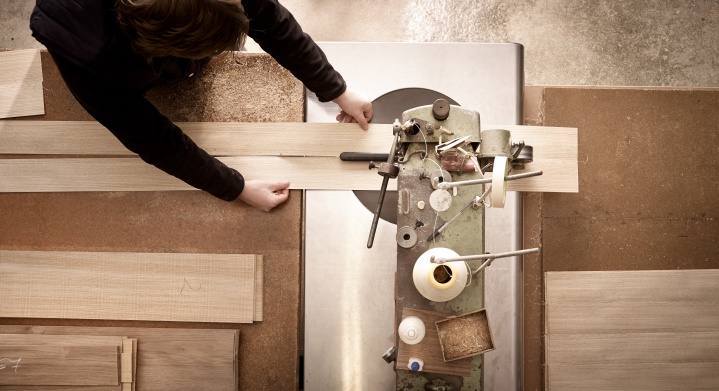
This is home to Muebles Treku’s factory, a building which awakens at the same time each day when an operator turns on the furnace, feeding it with discarded wood from furniture construction, and starts up all the machinery. An hour later, when the rest of the workers arrive, the production cycle is already warmed up and ready to go so they can get started on their work.